Local Fire Pit Safety Inspections for Peace of Mind in Niceville, Florida and Surrounding Areas
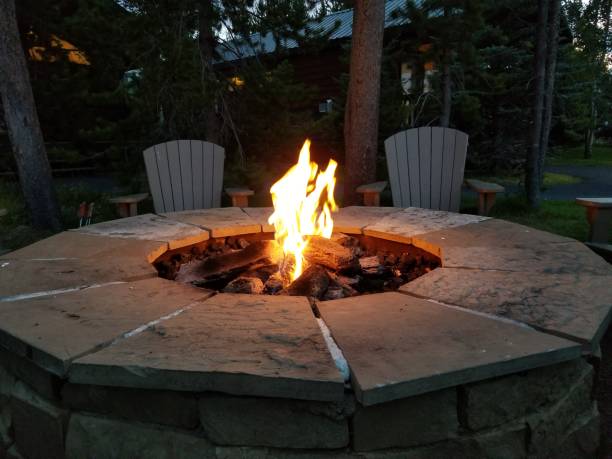
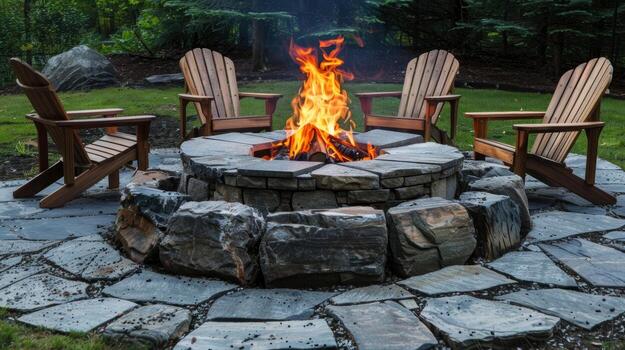
Fire pits have become a popular feature in outdoor living spaces, offering warmth, ambiance, and a gathering place for family and friends. However, ensuring that a fire pit is installed and used safely is essential for protecting both property and people. Local fire pit safety inspections help homeowners confirm that their fire features follow proper safety guidelines and local fire codes. These inspections provide reassurance that the installation meets safety standards and reduces the risk of accidents or fire hazards.
Why are fire pit safety inspections important for homeowners?
Fire pit safety inspections help identify potential hazards before they become serious problems. Inspectors evaluate the placement, materials, and overall condition of the fire pit to ensure it meets local safety guidelines. These inspections help prevent fire-related accidents and provide homeowners with peace of mind. They also ensure compliance with local regulations and safety codes.
What do inspectors check during a fire pit safety inspection?
During a safety inspection, professionals review several important aspects of the fire pit. They typically check the distance from nearby structures, the stability of the fire pit base, and the materials used in construction. Inspectors also examine ventilation, spark protection, and surrounding landscaping to ensure there are no flammable hazards nearby.
Are fire pits regulated by local fire codes in Florida?
Yes, fire pits and other outdoor burning activities are subject to state and local regulations in Florida. Recreational fires must be properly contained and supervised at all times to prevent them from spreading. Failure to follow fire safety rules can result in penalties or liability if a fire escapes control.
How far should a fire pit be from structures and property lines?
Safety guidelines typically require fire pits to be located a safe distance from buildings, fences, and other combustible structures. In many areas, open burning activities must be positioned at least 25 feet from certain structures or hazards. Maintaining proper distance helps reduce the risk of flames or sparks causing damage.
Do homeowners need permits for outdoor fire pits?
In many cases, small recreational fire pits do not require a permit, but regulations can vary depending on local ordinances. Homeowners should always check with their local fire department or building authority before installing a fire pit. Larger installations or permanent fire features may require approval or inspection.
How do safety inspections prevent fire hazards?
Safety inspections identify risks such as improper installation, unstable surfaces, or nearby combustible materials. By correcting these issues early, homeowners can avoid accidents or property damage. Inspections also ensure that the fire pit operates safely during regular use.
What role does the local fire department play in inspections?
Local fire departments often oversee fire prevention programs and enforce fire safety codes in their communities. These departments conduct inspections and educate residents about proper fire safety practices. Their goal is to reduce fire risks and ensure compliance with fire prevention standards.
Can regular inspections extend the lifespan of a fire pit?
Yes, regular inspections can help maintain the durability and functionality of a fire pit. Identifying small issues early, such as cracks or damaged components, allows homeowners to repair them before they worsen. Proper maintenance ensures the fire pit remains safe and usable for many years.
What safety equipment should be available near a fire pit?
Safety equipment such as fire extinguishers, water sources, or fire-resistant covers should always be accessible near a fire pit. Having proper extinguishing tools ready ensures that flames can be controlled quickly if necessary. This preparation significantly reduces the risk of fire spreading.
How often should fire pits be inspected for safety?
Fire pits should ideally be inspected at least once a year or whenever significant modifications are made. Seasonal inspections before heavy use can help ensure the feature remains safe and functional. Routine checks help homeowners maintain a safe and enjoyable outdoor environment.
Final Thought
Fire pits add comfort and style to outdoor spaces, but safety should always come first. Local fire pit safety inspections help homeowners ensure their outdoor features meet proper safety standards and comply with fire codes. By following inspection guidelines and maintaining safe practices, homeowners can enjoy their fire pits with confidence while protecting their property and community.
Do I need to schedule a fire pit inspection before installation?
In some cases, especially for permanent installations, local authorities may require an inspection or permit before construction begins.
Are portable fire pits safer than permanent ones?
Portable fire pits can be safe when used properly, but they still require correct placement and supervision during use.
What type of fuel is safest for fire pits?
Both gas and wood-burning fire pits can be safe when installed correctly. Gas fire pits typically produce less smoke and are easier to control.
Can weather conditions affect fire pit safety?
Yes, strong winds or dry conditions can increase fire risk. It is important to avoid using fire pits during unsafe weather conditions.
Who should I contact for a fire pit safety inspection?
Homeowners can usually contact their local fire department or a certified fire safety inspector for guidance or inspection services.
Email: [email protected]
Phone: 956-952-7322
Address: 3999 Commons Drive, Destin, FL 32541